Are you in the market for new laminate flooring? With so many options available, it’s important to know what to look out for to make sure you’re making the right choice. In this article, we’ll discuss key factors to consider when buying laminate flooring, helping you navigate the buying process with confidence.
Benefits of Laminate Flooring
Laminate flooring offers several benefits that make it a popular choice for homeowners. Firstly, it is highly durable and can withstand heavy foot traffic, making it ideal for busy households. Laminate flooring is also resistant to scratches, stains, and fading, ensuring it retains its beauty for years to come. Additionally, laminate flooring is easy to clean and maintain, requiring minimal effort to keep it looking its best. Moreover, it is more affordable compared to other flooring options, such as hardwood or tile, while still providing a similar aesthetic appeal. Lastly, laminate flooring is known for its ease of installation, often featuring click-lock systems that make it a suitable choice for DIY enthusiasts.
Common Types of Laminate Flooring
When it comes to laminate flooring, there are various types to choose from, each offering unique characteristics and styles. The most common types include wood laminate, tile laminate, and stone laminate. Wood laminate mimics the look of hardwood flooring, offering a warm and natural appearance. Tile laminate, on the other hand, replicates the look of ceramic or porcelain tiles, providing a sleek and modern aesthetic. Lastly, stone laminate resembles natural stone, such as marble or granite, adding a touch of elegance to any space. Each type of laminate flooring has its advantages, allowing you to find the perfect fit for your home.
Factors to Consider when Buying Laminate Flooring
When purchasing laminate flooring, there are several factors you should consider to ensure you make a wise investment. Firstly, it’s crucial to assess the durability of the laminate flooring. Look for products that feature a high AC rating, indicating their ability to withstand heavy foot traffic and resist scratches and other types of wear and tear. Additionally, consider the thickness of the laminate planks, as thicker planks tend to be more resilient and longer-lasting. Thicker planks also provide better sound insulation, reducing noise levels in your home. Another factor to consider is the water resistance of the laminate flooring. Some laminate products are specifically designed to resist moisture, making them suitable for areas prone to spills or high humidity, such as kitchens or bathrooms.
Next, take into account the style and design of the laminate flooring. Look for options that complement your aesthetic preferences and the existing decor of your space. Whether you prefer a traditional wood look or something more modern and sleek, there are endless possibilities to choose from. Consider the color, grain pattern, and texture of the laminate planks to achieve the desired look and feel in your home. Additionally, explore different plank sizes and formats, such as wide planks or herringbone patterns, to add visual interest and personality to your floors.
Furthermore, consider the installation process. Look for laminate flooring that is easy to install and requires minimal maintenance. Some products come with click-lock systems, making DIY installation a breeze. This not only saves you time and money but also allows for hassle-free future repairs or replacements. Additionally, consider the underlayment requirements of the laminate flooring. Underlayment helps with sound absorption, moisture protection, and overall comfort underfoot. It is essential to choose the appropriate underlayment for your specific laminate flooring to ensure optimal performance and longevity.
By keeping these factors in mind, you’ll be well-equipped to choose the perfect laminate flooring for your needs. Let’s dive deeper into each aspect and explore the world of laminate flooring together.
Understanding Laminate Flooring Ratings
When shopping for laminate flooring, you’ll come across various ratings that indicate the quality and performance of the product. Understanding these ratings will help you make an informed decision and select a laminate flooring that meets your requirements. The most important rating to consider is the AC rating, also known as the Abrasion Class rating. This rating ranges from AC1 to AC5, with AC1 being the least durable and AC5 being the most durable. AC1 is suitable for light residential use, while AC5 is designed for heavy commercial use. For residential applications, it’s recommended to choose laminate flooring with an AC3 or AC4 rating, as these provide a good balance of durability and affordability.
In addition to the AC rating, it’s important to consider other ratings such as impact resistance, stain resistance, and fade resistance. These ratings provide valuable information about the performance of the laminate flooring in different areas of your home. For example, if you have pets or young children, you may want to choose laminate flooring with a high impact resistance rating to prevent damage from dropped objects or rough play. Similarly, if your space receives a lot of natural light, it’s advisable to opt for laminate flooring with a high fade resistance rating to ensure the colours stay vibrant and true over time.
Tips for Choosing the Right Laminate Flooring for Your Home
Choosing the right laminate flooring for your home can be overwhelming, given the wide range of options available. To simplify the process, consider the following tips:
- Consider your lifestyle: If you have a busy household with pets and children, opt for laminate flooring with a high AC rating and superior durability. This will ensure your floors can withstand the demands of everyday life without showing signs of wear and tear.
- Match your existing decor: Take into account the style and color scheme of your space. Choose laminate flooring that complements your existing decor, whether it’s a contemporary, rustic, or traditional aesthetic. Consider the furniture, wall colours, and overall theme of the room to create a cohesive and visually appealing look.
- Gather samples: Request samples of laminate flooring options you’re interested in and compare them in your home’s lighting and against the existing decor. This will give you a better idea of how the flooring will look in your space and help you make an informed decision.
- Read customer reviews: Before making a final decision, read customer reviews of the laminate flooring brands and products you’re considering. This will give you valuable insights into the quality, performance, and overall satisfaction of other homeowners who have purchased and installed the flooring.
- Consider the warranty: Look for laminate flooring brands that offer a comprehensive warranty. A good warranty is an indication of the manufacturer’s confidence in the product’s quality and durability. Be sure to read and understand the warranty terms and conditions, including any exclusions or limitations.
By following these tips, you can narrow down your options and choose the laminate flooring that best suits your needs, style, and budget.
Installation and Maintenance of Laminate Flooring
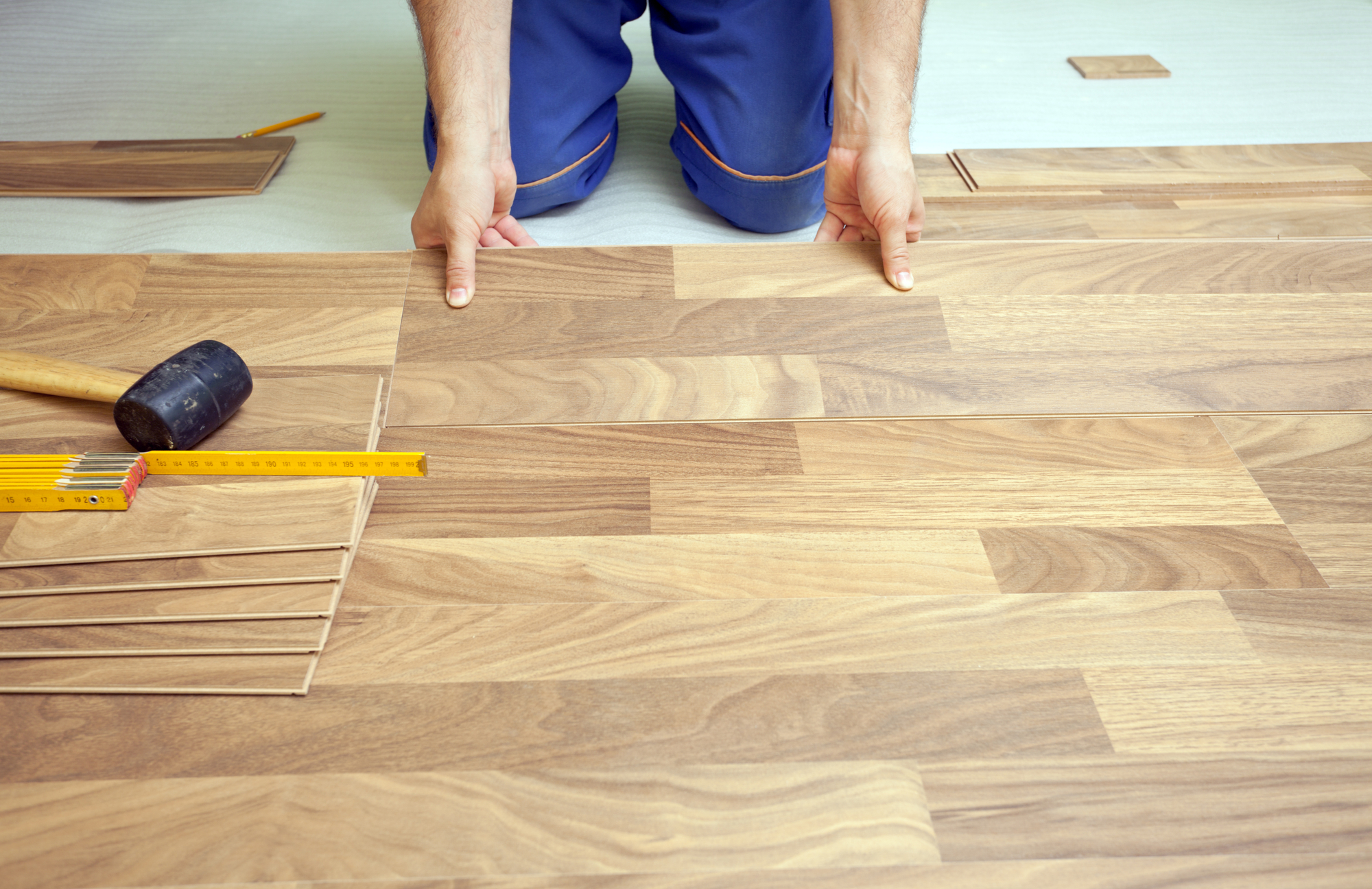
One of the key advantages of laminate flooring is its ease of installation. Many laminate flooring products come with click-lock systems, allowing for a simple and efficient installation process. These systems eliminate the need for messy glue or nails, making it a popular choice for DIY enthusiasts. However, it’s important to carefully follow the manufacturer’s installation instructions to ensure a successful and long-lasting installation. Improper installation can result in gaps, buckling, or other issues that may affect the performance and appearance of the laminate flooring.
In terms of maintenance, laminate flooring is relatively easy to care for. Regular sweeping or vacuuming with a soft-bristle brush attachment will remove dirt and debris. For deeper cleaning, a damp mop or microfiber cloth can be used with a mild laminate floor cleaner. It’s important to avoid excessive water, as laminate flooring is not waterproof and can be damaged by moisture. Wipe up any spills immediately to prevent staining or warping of the planks. Additionally, placing felt pads under furniture legs and using doormats at entryways will help protect the laminate flooring from scratches and dents.
Cost Considerations when Buying Laminate Flooring
Laminate flooring offers an affordable alternative to hardwood or tile flooring, making it a popular choice for homeowners on a budget. The cost of laminate flooring can vary depending on factors such as the quality, brand, and style. Generally, laminate flooring is priced per square foot, with additional costs for underlayment, installation, and any additional accessories or services required. It’s important to factor in these costs when budgeting for your laminate flooring project. While laminate flooring may have a lower upfront cost compared to other flooring types, it’s important to consider the long-term value and durability of the product. Investing in higher-quality laminate flooring with a longer lifespan may save you money in the long run, as you’ll avoid frequent repairs or replacements.
Where to Buy Laminate Flooring
Laminate flooring is widely available, both in physical stores and online. Home improvement stores, flooring retailers, and specialized flooring showrooms are common places to find a wide variety of laminate flooring options. These stores often have knowledgeable staff who can provide guidance and answer any questions you may have. Additionally, many manufacturers and retailers have websites where you can browse their product offerings, compare prices, and read customer reviews. Online shopping offers the convenience of browsing from the comfort of your own home and having the laminate flooring delivered directly to your doorstep. However, it’s advisable to visit a physical store if possible to see and feel the laminate flooring samples in person before making a final decision.
Conclusion
When buying laminate flooring, it’s important to consider factors such as durability, style, installation, and cost. Assessing the durability of the laminate flooring will ensure it can withstand the demands of your household and retain its appearance over time. Considering the style and design will help you find laminate flooring that complements your aesthetic preferences and existing decor. Opting for laminate flooring that is easy to install and maintain will save you time and effort during the installation process and throughout the lifespan of the flooring. Lastly, budget considerations will help you make an informed decision and choose a laminate flooring that meets your needs without breaking the bank.
By following these guidelines and considering the outlined factors, you’ll be well-equipped to navigate the world of laminate flooring and choose the perfect option for your home. Whether you’re looking for a wood, tile, or stone laminate, there are endless possibilities to create a beautiful and durable flooring solution that will enhance the overall aesthetic and functionality of your space. So go ahead, explore the diverse world of laminate flooring and transform your home with confidence.