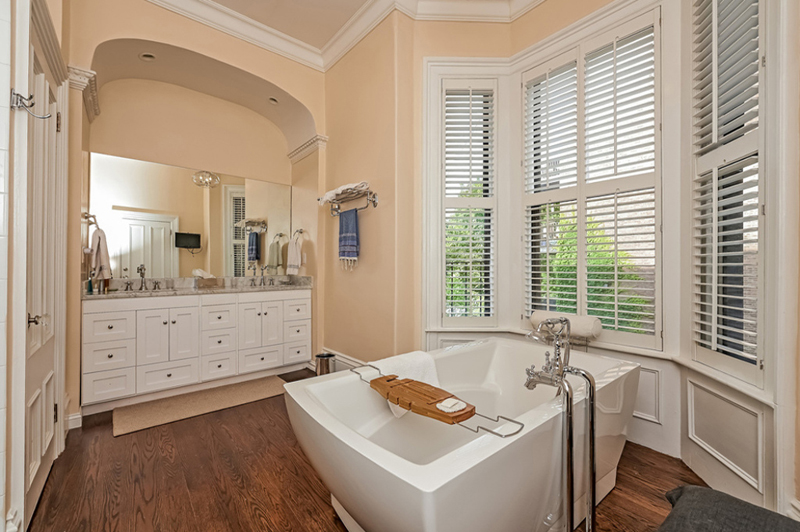
Are you planning a bathroom renovation but worried about the potential installation problems that may arise? Look no further. In this article, we will explore the most common issues encountered during the installation of new bathrooms. Whether you are a DIY enthusiast or hiring a professional, being aware of these problems will help you prepare and ensure a smooth process.
Common Plumbing Issues in Bathroom Installations
When it comes to bathroom installations, plumbing problems are among the most common issues that homeowners face. Leaky pipes are a frequent occurrence, causing water damage and potential mould growth. It’s essential to ensure proper installation and sealing of pipes to prevent leaks. Additionally, incorrect measurements or improper pipe connections can lead to water flow issues, affecting the overall functionality of your bathroom.
Another plumbing concern is the inadequate water pressure in showers and faucets. This can be caused by various factors, such as clogged pipes or incorrect pipe sizing. It’s crucial to address these issues during the installation process to ensure a satisfying shower experience. Properly installed and maintained plumbing systems will not only save you from costly repairs but also provide peace of mind.
Electrical Problems in Bathroom Installations
Electrical safety is paramount in bathroom installations. Faulty wiring or inadequate electrical systems can lead to serious hazards, including electrical shocks and fire risks. It’s imperative to ensure that all electrical installations are done by a qualified professional who understands the specific requirements for bathroom safety.
One common electrical issue is the improper placement of outlets and switches. These should be positioned away from water sources and properly grounded to prevent electrical accidents. Additionally, insufficient lighting can make your bathroom feel dim and unwelcoming. Properly installed lighting fixtures, including task lighting and ambient lighting, will not only enhance the aesthetics but also improve functionality and safety.
Flooring and Tiling Issues in Bathroom Installations
Flooring and tiling problems can significantly impact the overall look and functionality of your new bathroom. Improperly installed tiles can lead to cracked or loose tiles, causing potential tripping hazards and water seepage. It’s crucial to ensure that the subfloor is properly prepared, and the tiles are laid using the correct techniques and adhesives.
Another common issue is inadequate waterproofing, especially in areas prone to water exposure such as showers and bathtubs. Insufficient waterproofing can result in water damage, mould growth, and structural issues. It’s essential to use high-quality waterproofing materials and follow the recommended installation guidelines to protect your bathroom from water-related problems.
Problems with Fixtures and Fittings
Choosing the right fixtures and fittings for your bathroom is crucial, but improper installation can lead to various issues. Faucets and showerheads that leak or have low water pressure can be frustrating to deal with. Ensure that these fixtures are properly installed and sealed to prevent any leaks or functionality problems.
Toilet installation is another area where problems can arise. Incorrect installation can lead to leaks, improper flushing, or unstable fittings. It’s crucial to follow the manufacturer’s instructions and use the appropriate seals and fittings for a secure and leak-free toilet installation.
Ventilation and Mold Issues in Bathroom Installations
Proper ventilation is essential to prevent mould and mildew growth in your bathroom. Inadequate ventilation can lead to excessive moisture buildup, resulting in unsightly mould patches and unpleasant odours. Installing a ventilation fan that meets the recommended airflow requirements will help remove moisture and maintain a healthy environment in your bathroom.
Additionally, it’s essential to ensure proper insulation around ventilation ducts to prevent condensation and subsequent mould growth. Regular cleaning and maintenance of the ventilation system will further enhance its efficiency and longevity.
Tips for Avoiding Installation Problems
To avoid common installation problems, it’s crucial to plan your bathroom renovation carefully. Start by creating a detailed layout and design, ensuring that all measurements are accurate. This will help you identify any potential issues and make necessary adjustments before starting the installation process.
Research and select high-quality materials and fixtures that are suitable for the specific requirements of your bathroom. Consult with professionals or experienced individuals to gain insights and recommendations on the best products for your project.
Follow the manufacturer’s instructions and guidelines for installation to ensure proper functionality and longevity of your bathroom fixtures. Don’t hesitate to seek professional help if you are unsure about any aspect of the installation process.
Regular maintenance and inspections of your bathroom can help identify and address any potential issues before they escalate into significant problems. Proper cleaning, caulking, and sealing will not only maintain the aesthetics but also prevent water damage and mould growth.
Hiring a Professional for Bathroom Installations
While DIY projects can be rewarding, bathroom installations require a certain level of expertise and knowledge. Hiring a professional ensures that the installation is done correctly and up to industry standards. Professionals have the necessary skills and experience to handle any potential challenges that may arise during the process.
When selecting a professional for your bathroom installation, do thorough research and check their credentials, experience, and reviews. Request references and view their previous work to assess the quality of their installations. Be clear about your expectations and communicate openly to ensure a successful collaboration.
DIY Solutions for Common Installation Problems
If you have the necessary skills and confidence, tackling certain aspects of bathroom installations can be done as a DIY project. However, it’s important to understand your limitations and seek professional help when needed. Simple tasks such as painting or installing accessories can be easily accomplished by homeowners with basic DIY skills.
When taking on DIY bathroom installations, ensure that you have the right tools, materials, and safety equipment. Follow step-by-step guides and video tutorials that provide clear instructions for each task. Remember to take your time and double-check your work to avoid costly mistakes.
Conclusion and Final Thoughts
Bathroom installations can be complex, but with proper planning and awareness of common problems, you can navigate the process successfully. By addressing plumbing, electrical, flooring, and ventilation issues, as well as choosing and installing fixtures and fittings correctly, you can avoid costly repairs and enjoy your dream bathroom for years to come.
Whether you decide to hire a professional or embark on a DIY project, always prioritize safety and quality. Following the recommended guidelines, seeking expert advice when needed, and conducting regular maintenance will ensure a hassle-free bathroom installation that enhances the value and enjoyment of your home.
Remember, a well-planned and properly executed bathroom installation can significantly enhance the value and enjoyment of your home. So, let’s get started on your journey to a flawless new bathroom.