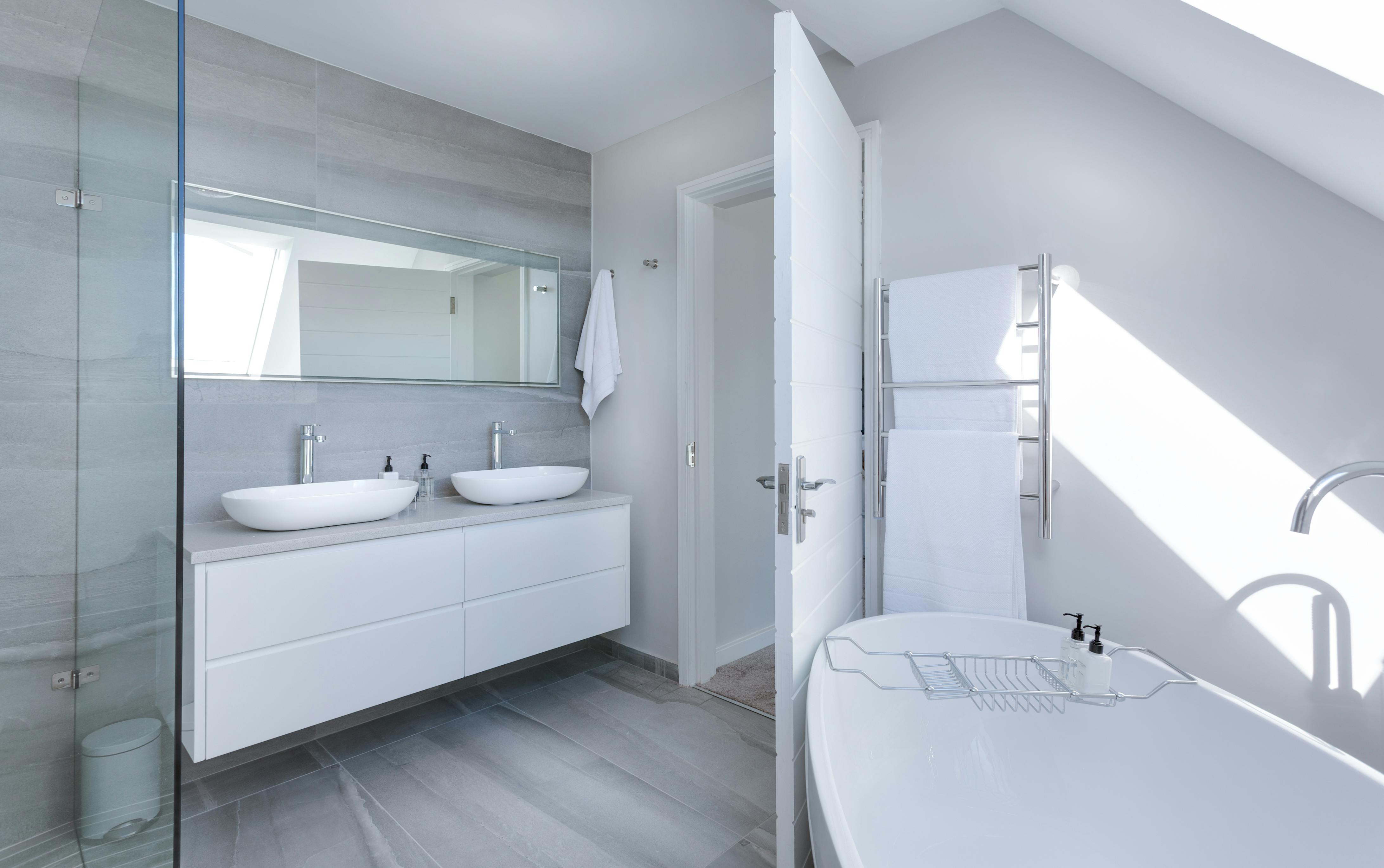
Are you embarking on a bathroom renovation and want to ensure a flawless design? Knowing the most common design problems for new bathrooms can help you avoid costly mistakes and create a space that is both functional and aesthetically pleasing. In this article, we will explore the key challenges that homeowners often encounter when designing their bathrooms.
Insufficient storage space
One of the most common design problems in new bathrooms is insufficient storage space. Many homeowners find themselves struggling with cluttered countertops and limited storage options. Without proper storage solutions, your bathroom can quickly become disorganized and chaotic.
To address this issue, consider incorporating smart storage solutions into your bathroom design. Wall-mounted cabinets, vanity units with built-in drawers, and shelving can help maximize storage space without sacrificing style. Utilizing vertical space and utilizing hidden storage compartments can also be effective in keeping your bathroom organized and clutter-free. Remember, a well-designed bathroom should not only look great but also offer ample storage for all your toiletries and essentials.
Poor ventilation and moisture control
Another common problem in new bathrooms is poor ventilation and moisture control. Bathrooms are naturally humid environments, and if not properly ventilated, this can lead to mould and mildew growth, unpleasant odours, and damage to your fixtures and finishes.
To avoid these issues, it is crucial to have proper ventilation in your bathroom. Make sure your bathroom has a window or an exhaust fan that can effectively remove moisture and circulate fresh air. You can also consider installing a humidity sensor that automatically activates the exhaust fan when the humidity levels rise. Additionally, using moisture-resistant materials such as ceramic tiles, waterproof paint, and mould-resistant grout can help prevent moisture-related problems in your bathroom.
Inadequate lighting
Inadequate lighting is another design problem that can greatly impact the functionality and ambience of your bathroom. Insufficient lighting can make tasks such as applying makeup, shaving, and grooming difficult. It can also make your bathroom appear dull and uninviting.
To overcome this issue, ensure that your bathroom has a combination of ambient, task, and accent lighting. Ambient lighting provides overall illumination, while task lighting focuses on specific areas such as the vanity or shower. Accent lighting can be used to highlight architectural features or decorative elements in your bathroom. Consider using LED lights, which are energy-efficient and offer a bright, natural light. By incorporating a well-thought-out lighting plan, you can create a well-lit and visually appealing bathroom.
Lack of privacy
Privacy is often overlooked when designing new bathrooms, but it is an important aspect to consider. Whether you live alone or share your bathroom with family members or guests, having a sense of privacy is essential for a comfortable and relaxing bathroom experience.
To address this problem, you can incorporate various privacy-enhancing elements into your bathroom design. Frosted or textured glass for windows and shower enclosures can provide privacy while still allowing natural light to filter through. Installing window treatments such as blinds or curtains can also offer privacy when needed. If space allows, consider creating a separate area for the toilet or adding a partition wall to create a private alcove. By prioritizing privacy in your bathroom design, you can ensure a more enjoyable and intimate space.
Inefficient layout and flow
The layout and flow of a bathroom can greatly impact its functionality and ease of use. Poorly designed layouts can make it difficult to navigate the space, hinder access to fixtures, and create a cramped and claustrophobic atmosphere.
To avoid this problem, carefully consider the layout of your bathroom and ensure that it allows for easy movement and accessibility. The placement of fixtures such as the toilet, sink, and shower should be practical and convenient. Avoid overcrowding the space and allow for sufficient clearance around each fixture. Consider the ergonomic aspects of your bathroom design to ensure that it caters to your specific needs and preferences. A well-designed bathroom layout can greatly enhance the overall usability and comfort of the space.
Choosing the wrong fixtures and materials
Selecting the wrong fixtures and materials is another common design problem that can negatively impact the aesthetics and functionality of your bathroom. Poorly chosen fixtures may not only clash with the overall design but can also be impractical and difficult to maintain. Similarly, using inappropriate materials can lead to premature wear and tear, as well as damage from moisture and humidity.
To avoid this problem, take the time to research and choose fixtures and materials that are suitable for your bathroom. Consider the style, durability, and maintenance requirements of each item. Opt for high-quality fixtures that offer both functionality and visual appeal. When it comes to materials, choose options that are moisture-resistant, easy to clean, and can withstand the humid conditions of a bathroom. By selecting the right fixtures and materials, you can ensure a bathroom that is both beautiful and built to last.
Ignoring accessibility and safety considerations
Accessibility and safety are crucial factors that should not be ignored when designing a new bathroom. Failing to consider these aspects can result in a bathroom that is difficult to navigate, especially for individuals with mobility issues or disabilities. It can also lead to accidents and injuries due to slippery surfaces and inadequate support.
To address this problem, incorporate accessibility features into your bathroom design. Install grab bars near the toilet and shower area for added support. Consider a walk-in shower or a bathtub with a low threshold for easy access. Ensure that the flooring is slip-resistant and choose faucets and handles that are easy to operate. By prioritizing accessibility and safety, you can create a bathroom that is welcoming and inclusive for all users.
Overlooking the importance of proper waterproofing
Proper waterproofing is a critical aspect of bathroom design that is often overlooked. Inadequate or improper waterproofing can lead to water damage, mould growth, and costly repairs. It is essential to ensure that all wet areas, such as shower enclosures and around the bathtub, are properly waterproofed to prevent water leakage and seepage.
To avoid this problem, engage the services of a professional contractor who specializes in bathroom renovations. They will ensure that all necessary waterproofing measures are taken, including applying waterproof membranes, sealing joints and corners, and using waterproofing products on walls and floors. Investing in proper waterproofing from the start can save you from future headaches and expenses.
Conclusion and tips for avoiding design problems in new bathrooms
In conclusion, designing a new bathroom comes with its fair share of challenges. However, by being aware of the most common design problems and taking proactive measures to address them, you can create a bathroom that is both functional and visually appealing. Remember to prioritize storage space, ventilation, lighting, privacy, layout, fixtures and materials, accessibility, and waterproofing. By considering these aspects during the design process, you can ensure a successful bathroom renovation that enhances the beauty and functionality of your home.
To recap, here are some tips to avoid design problems in new bathrooms: – Maximize storage space with smart storage solutions – Ensure proper ventilation and moisture control – Incorporate a well-thought-out lighting plan – Create privacy-enhancing elements in your design – Optimize the layout for easy movement and accessibility – Choose fixtures and materials that are suitable for your bathroom – Consider accessibility and safety features – Invest in proper waterproofing from the start
By following these tips and learning from the experiences of others, you can create a bathroom that not only meets your needs but exceeds your expectations. Good luck with your bathroom renovation!