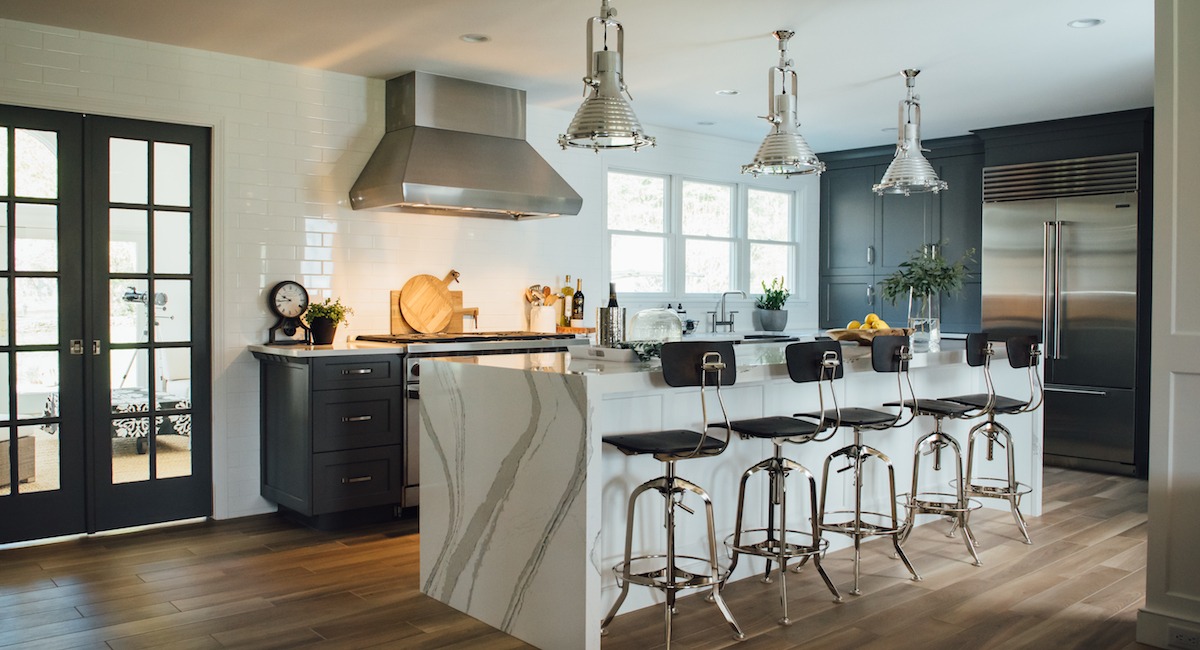
Are you tired of struggling with a poorly designed kitchen? Do you often find yourself battling with limited storage, awkward layout, or lack of counter space? If so, you’re not alone. Many homeowners face common kitchen design problems that can make meal prep and cooking a frustrating experience.
In this article, we will explore the most frequent kitchen design issues and offer practical solutions to help you create a functional and beautiful space. From inadequate lighting to inefficient workflows, we will delve into the challenges that can hinder the functionality and aesthetics of your kitchen.
By understanding these common design problems and implementing the right solutions, you can transform your kitchen into a more efficient and enjoyable space. Whether you’re planning a complete renovation or looking for quick fixes, this article will provide you with practical tips to overcome these challenges and create the kitchen of your dreams.
Say goodbye to frustrating kitchen experiences and hello to a more organized and stylish culinary haven. Let’s get started!
Lack of Storage Space
One of the most common kitchen design problems is a lack of storage space. Many homeowners struggle to find enough room to store their pots, pans, dishes, and pantry items, resulting in cluttered countertops and a disorganized kitchen.
A solution to this problem is to maximize every inch of available space. Consider installing floor-to-ceiling cabinets or adding shelves above your countertops. Utilize the space under your sink by installing pull-out drawers or a hanging rack for cleaning supplies. Use vertical dividers in your drawers to separate utensils and keep them neatly organized. By making the most of your kitchen’s vertical space, you can create additional storage without sacrificing style or functionality.
Another option is to invest in multi-functional furniture and appliances. Look for kitchen islands or carts with built-in storage compartments or opt for a dining table with drawers. Use wall-mounted racks or magnetic strips to store knives and other metal utensils, freeing up drawer space. By thinking creatively and utilizing innovative storage solutions, you can overcome the challenge of limited storage space in your kitchen.
Don’t let a lack of storage space dampen your culinary creativity. With a little ingenuity and the right storage solutions, you can create a kitchen that is both functional and aesthetically pleasing.
Inadequate Counter Space
Another common kitchen design problem is inadequate counter space. Whether you enjoy cooking elaborate meals or simply need a place to prep and chop ingredients, having enough counter space is essential.
One way to address this issue is to consider adding a kitchen island. A kitchen island not only provides additional countertop space but also serves as a focal point for your kitchen. Choose an island with built-in storage or shelves to maximize its functionality. If your kitchen is small, consider a portable kitchen cart that can be moved around as needed.
Another option is to extend your existing countertops. If you have a small kitchen, consider removing a wall or rearranging your layout to create more counter space. Alternatively, you can install a foldable countertop extension that can be folded down when not in use. This provides extra workspace without taking up valuable floor space.
Lastly, decluttering your countertops can also help create the illusion of more space. Remove unnecessary appliances and keep only the essentials within easy reach. Utilize wall-mounted shelves or hanging racks to store frequently used items, freeing up valuable counter space. By keeping your countertops clear, you can create a more functional and visually appealing kitchen.
In summary, whether you choose to invest in a kitchen island, extend your countertops, or declutter your space, finding ways to increase your counter space will greatly improve the functionality of your kitchen.
Poor Traffic Flow
A poorly designed kitchen can result in poor traffic flow, making it difficult to move around and complete tasks efficiently. This is often the result of a kitchen layout that lacks proper consideration for workflow and usability.
One solution to improve traffic flow is to create distinct work zones within your kitchen. Divide your kitchen into different areas for food prep, cooking, and cleaning. Ensure that these areas are well-defined and easily accessible. By organizing your kitchen into specific zones, you can minimize traffic congestion and create a more efficient workspace.
Another consideration is the arrangement of your appliances. Place your refrigerator, sink, and stove in a triangular formation, commonly known as the “kitchen work triangle.” This layout allows for easy movement between these essential kitchen elements. Avoid placing these items too far apart or too close together, as it can disrupt the flow of your kitchen.
Additionally, consider the placement of your kitchen island or dining table. Ensure that there is enough space around these areas for people to move comfortably without obstructing the workflow. By optimizing the layout and flow of your kitchen, you can create a space that is both functional and easy to navigate.
Don’t let poor traffic flow hinder your kitchen experience. With thoughtful planning and strategic placement of your kitchen elements, you can create a kitchen that promotes efficient movement and enhances your cooking experience.
Inefficient Layout
An inefficient kitchen layout can make meal prep and cooking a tedious and frustrating task. This is often the result of a design that does not take into account the functionality and workflow of a kitchen.
One solution to an inefficient layout is to consider the work triangle mentioned earlier. The work triangle consists of the refrigerator, sink, and stove, which are the most frequently used kitchen elements. By ensuring that these items are within easy reach of each other, you can create a more efficient workflow.
Another consideration is the location of your kitchen appliances. Place your dishwasher near the sink for easy access to water and drainage. Store your pots, pans, and cooking utensils near your stove for convenient cooking. By organizing your kitchen based on functionality, you can streamline your workflow and make cooking a more enjoyable experience.
Additionally, consider the placement of your kitchen storage. Keep frequently used items within easy reach and store infrequently used items in less accessible areas. This will reduce the time and effort required to find and retrieve items while cooking.
Lastly, don’t forget about the importance of ample workspace. Ensure that you have enough countertop space near your stove for food preparation. Consider adding a cutting board that can be placed over your sink for additional workspace. By optimizing your kitchen layout, you can create a space that is both functional and efficient.
Lack of Natural Light
A kitchen that lacks natural light can feel dark, gloomy, and uninviting. Natural light not only enhances the aesthetics of a space but also improves mood and productivity.
One way to address this issue is to maximize the natural light that enters your kitchen. Keep your windows clean and free from obstructions to allow as much light as possible. Consider removing heavy curtains or blinds and replacing them with sheer or light-coloured window treatments that allow light to filter through.
If your kitchen does not have sufficient natural light, consider installing skylights or light tubes. These can bring in additional natural light and create a brighter and more inviting atmosphere.
Another option is to strategically place mirrors or reflective surfaces in your kitchen. These can help bounce light around the space and create the illusion of a brighter and larger kitchen.
Lastly, ensure that your kitchen is well-lit with artificial lighting. Use a combination of ambient, task, and accent lighting to create a layered lighting scheme. Install under-cabinet lights to illuminate your countertops and work areas. By combining natural and artificial light sources, you can create a well-lit and welcoming kitchen.
Don’t let a lack of natural light hinder the beauty and functionality of your kitchen. By implementing these tips, you can create a bright and inviting space that will inspire you to cook and entertain.
Limited Electrical Outlets
In today’s modern kitchen, electrical outlets are essential for powering appliances, charging devices, and using small kitchen gadgets. However, many kitchens suffer from a lack of electrical outlets, which can be a major inconvenience.
One solution to this problem is to add additional outlets. If your kitchen is undergoing a renovation, consult with an electrician to determine the best locations for new outlets. Consider adding outlets to your kitchen island, backsplash, or under your upper cabinets. This will provide convenient access to power wherever you need it.
If adding new outlets is not possible, consider using power strips or surge protectors to expand the number of available outlets. These can be mounted under your cabinets or hidden behind appliances to provide easy access to power.
Another option is to install USB outlets. These outlets have built-in USB ports, allowing you to charge your devices without using a separate adapter. This is especially useful for charging smartphones, tablets, and other devices while cooking or entertaining.
By ensuring that you have enough electrical outlets in your kitchen, you can eliminate the frustration of not having enough power for your appliances and gadgets.
Outdated Appliances and Fixtures
Outdated appliances and fixtures can not only hinder the functionality of your kitchen but also bring down its overall aesthetic appeal.
One solution is to invest in new appliances that are energy-efficient and offer modern features. Look for appliances that are designed to fit seamlessly into your kitchen layout and complement your design aesthetic. Stainless steel appliances are a timeless choice that adds a sleek and modern touch to any kitchen.
Consider upgrading your fixtures as well. Replace old faucets with modern, high-quality options that offer features such as pull-down sprayers or touchless operation. Upgrade your lighting fixtures to energy-efficient LED options that provide bright and focused light. By updating your appliances and fixtures, you can enhance both the functionality and visual appeal of your kitchen.
If a complete upgrade is not feasible, consider giving your appliances and fixtures a facelift. Repaint or reface your cabinets to give them a fresh and modern look. Replace outdated knobs and handles with more contemporary options. Refinish or replace your countertops to update the overall look of your kitchen. By making these smaller changes, you can create a more modern and stylish kitchen without breaking the bank.
Inadequate Ventilation
A poorly ventilated kitchen can result in unpleasant odours, excessive heat, and poor air quality. Proper ventilation is crucial for removing cooking odours, excess moisture, and harmful gases from your kitchen.
One solution is to install a range hood or exhaust fan above your stove. These appliances help to remove smoke, steam, and cooking odours from your kitchen. Ensure that your range hood or exhaust fan is properly vented to the outside to prevent the recirculation of odours and pollutants.
Consider adding additional ventilation options such as ceiling fans or windows. Ceiling fans can help circulate air in your kitchen and keep it cool during the hot summer months. Opening windows can provide natural ventilation and fresh air circulation.
Lastly, ensure that your kitchen is well-ventilated by keeping air ducts and vents clean and free from obstruction. Regularly clean your range hood or exhaust fan filters to maintain their efficiency. By ensuring proper ventilation in your kitchen, you can create a healthier and more comfortable cooking environment.
Conclusion
In conclusion, a poorly designed kitchen can be a source of frustration and inconvenience. However, by identifying and addressing the most common kitchen design problems, you can transform your space into a functional and beautiful culinary haven. From maximizing storage and counter space to improving traffic flow and optimizing your kitchen layout, there are plenty of solutions available to overcome these challenges.
By incorporating natural light, adding electrical outlets, updating appliances and fixtures, and ensuring adequate ventilation, you can create a kitchen that is not only aesthetically pleasing but also highly functional. Say goodbye to struggling with a poorly designed kitchen and hello to a space that inspires creativity and joy in your culinary endeavours.
Remember, whether you’re planning a complete renovation or looking for quick fixes, the key is to understand your specific needs and tailor your solutions accordingly. With the right strategies and a little creativity, you can create the kitchen of your dreams and enjoy a more efficient and enjoyable cooking experience.